MARCH 2026
Illustrating Cultural Preservation | New Book, Traveling God, from DSI Alum
The School of Visual Arts MFA Design for Social Innovation Communications Coordinator, Riley Ladner, spoke with DSI alum Nany Chen and Avery Liu, and DSI current student, Hao Jie Sim, to discuss the cultural and social layers behind their new illustration book Traveling God.
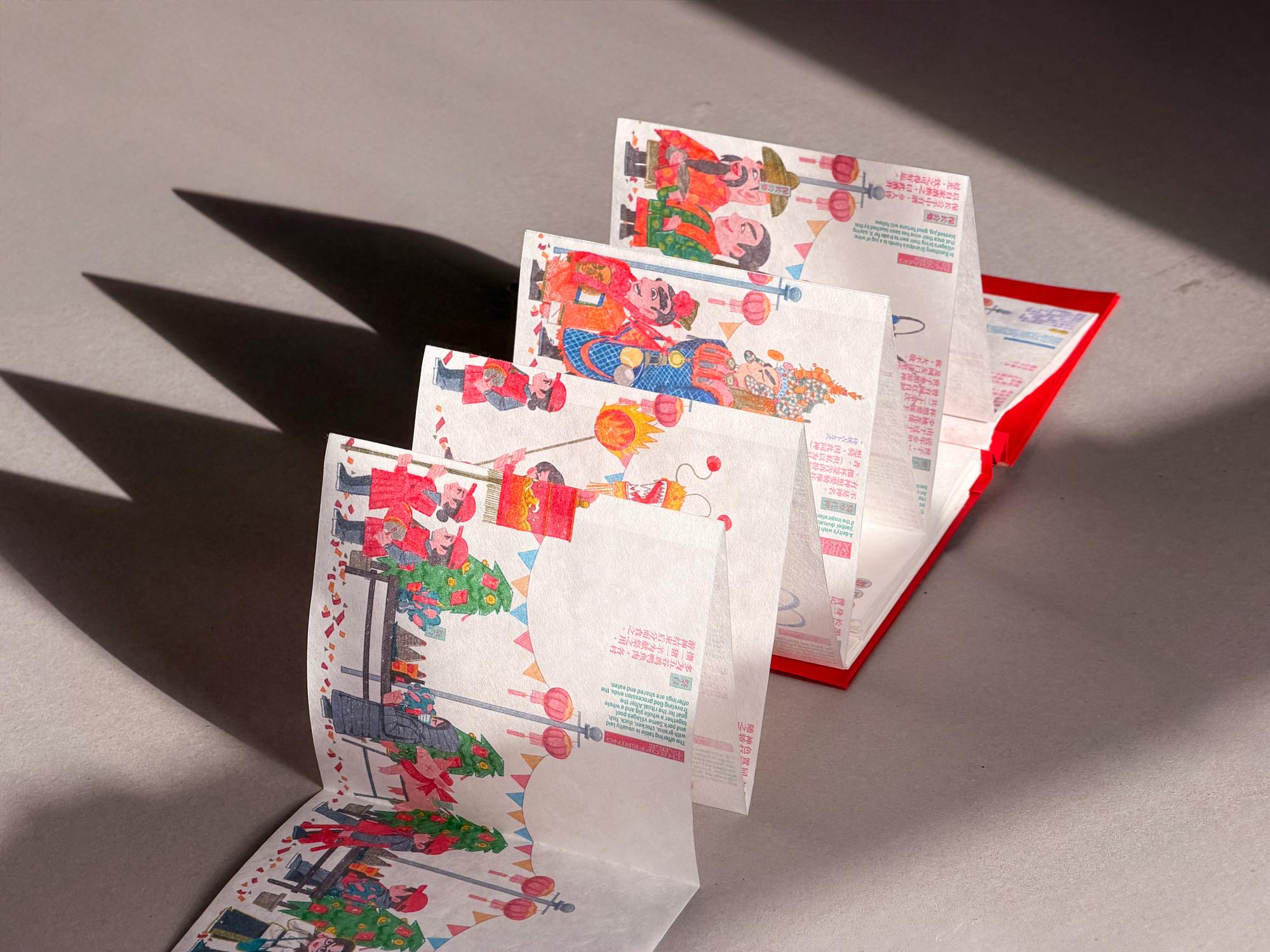
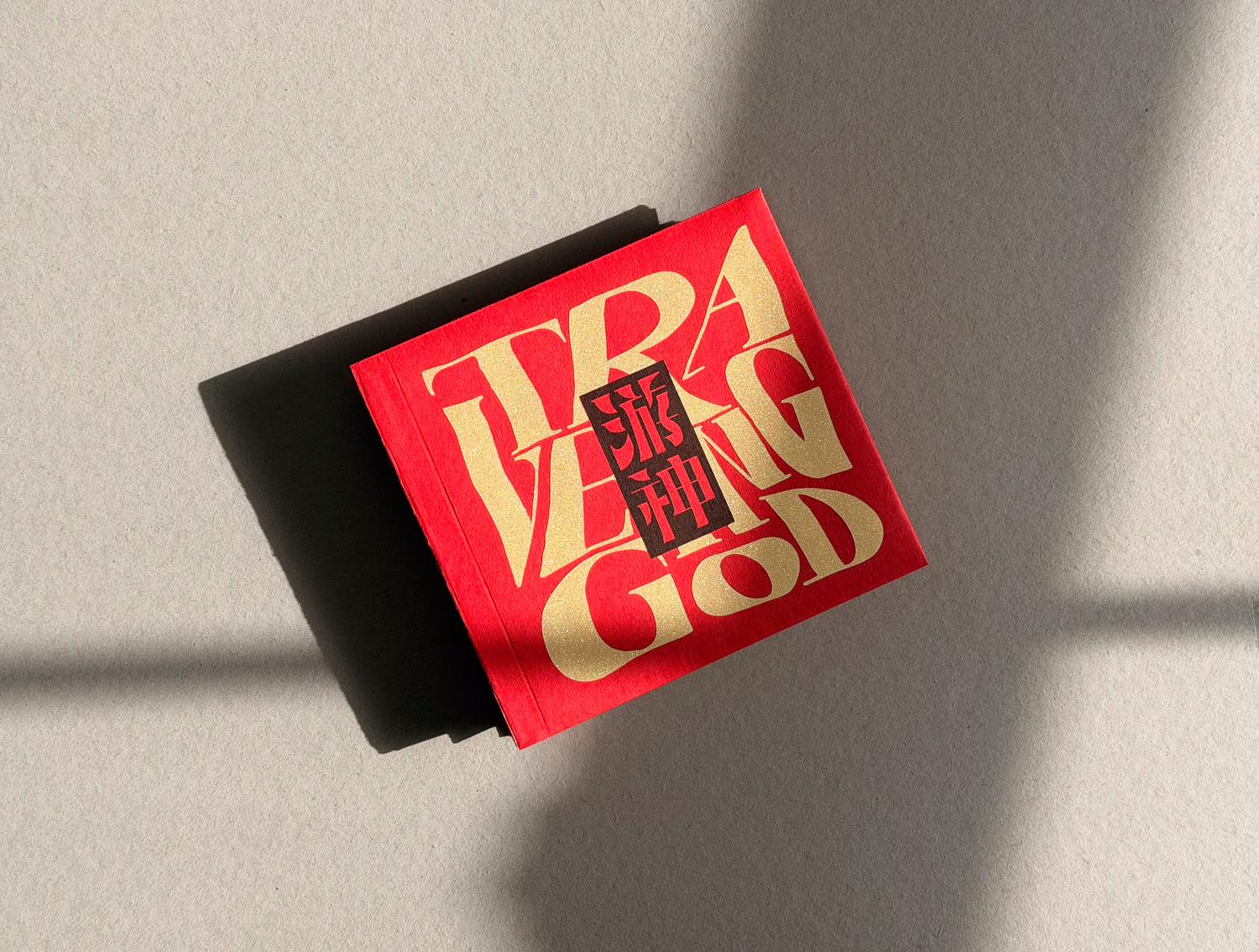
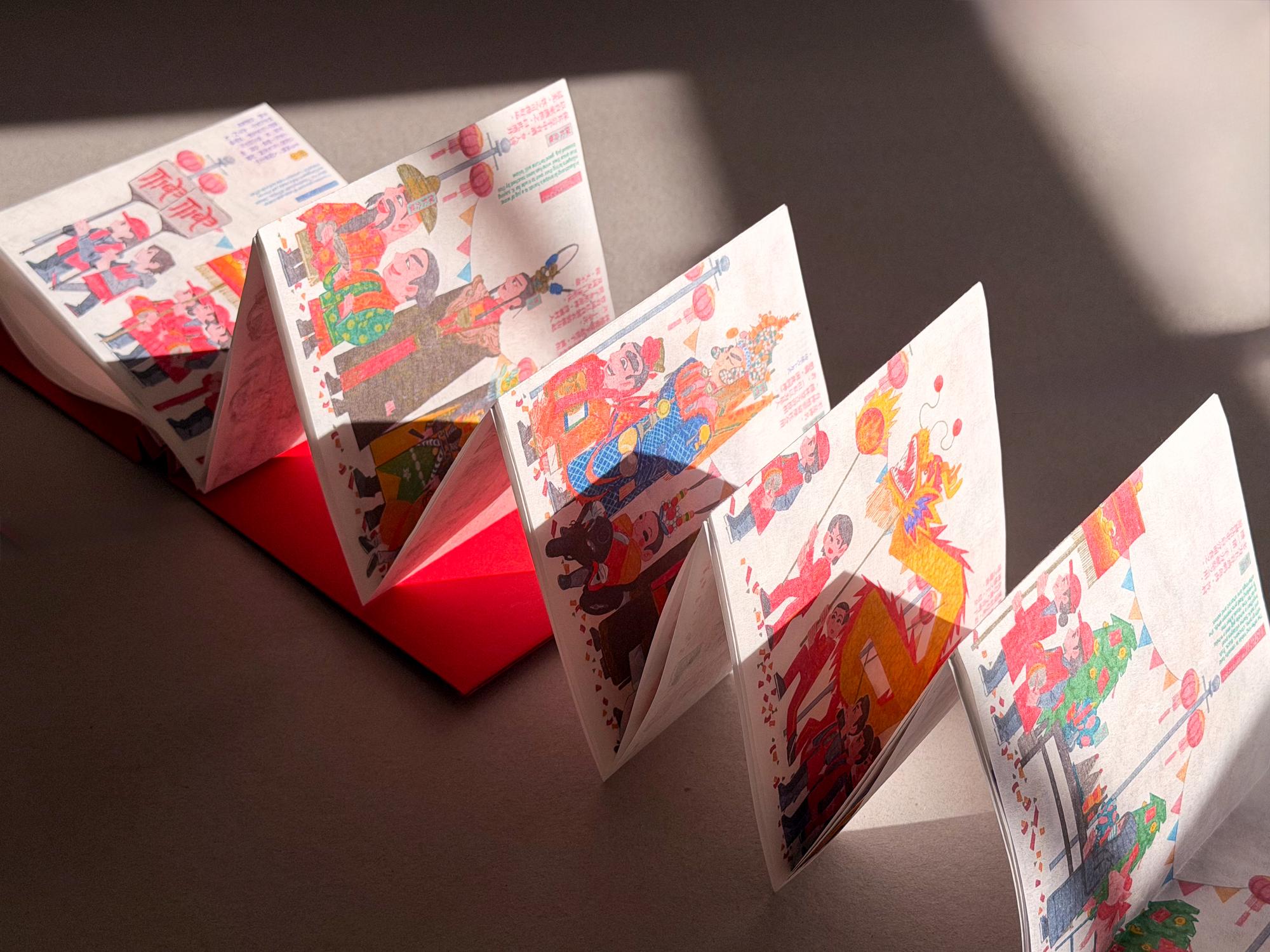
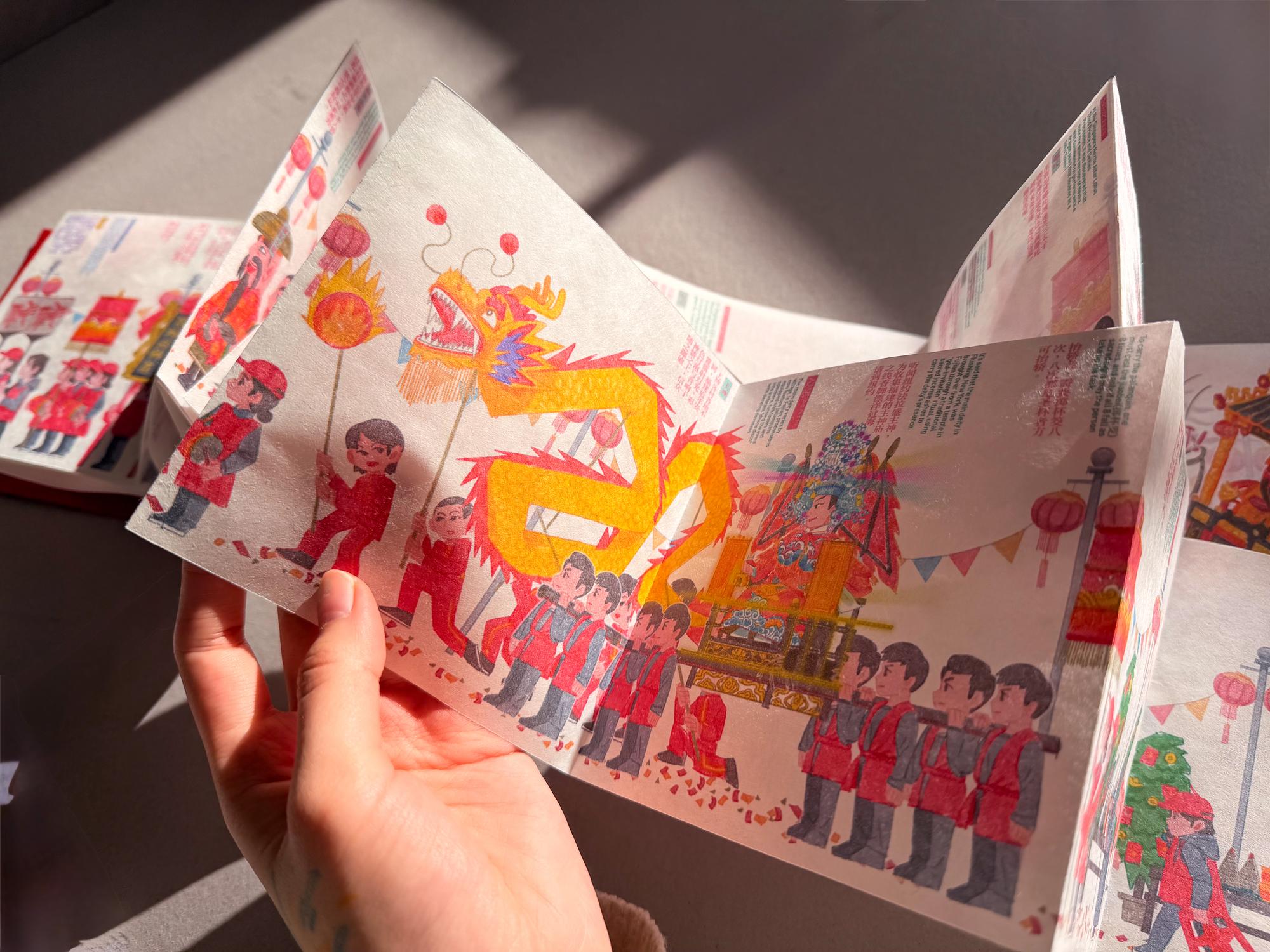
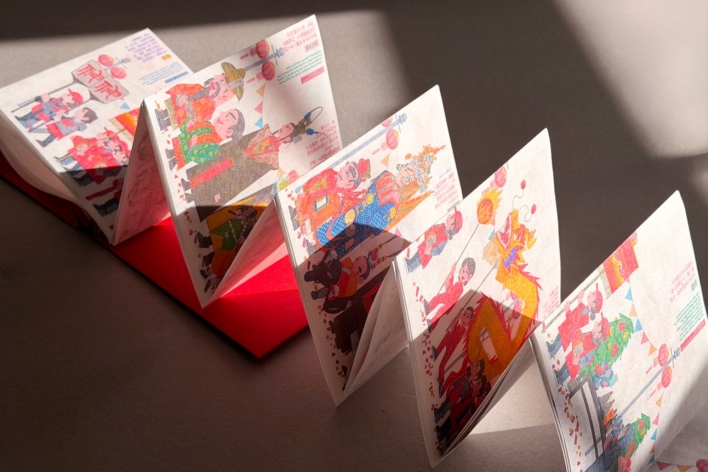
Traveling God is a collective illustration project that drifts through You Shen culture across Fujian, Taiwan, and Singapore, from memories, hearsay, to reflections. You Shen (游神) is a traditional folk ritual originating in Fujian, China, and practiced across parts of East and Southeast Asia. As Nany is from Fujian, Avery is from Taiwan, and Hao Jie is from Singapore, this project spans Fujian, Taiwan, and Singapore. The book brings together three artists’ experiences to introduce wandering gods, local stories, and the small, curious moments found along this journey. Keep reading to hear the group describe the book in their own words.
How did this project begin?
Hao Jie Sim: Our conversation started in the DSI Quiet Room around one year ago. Nany and Avery were working on their thesis projects, and we just started talking about You Shen. December 2024 was the first time we met to discuss and research.
Do you have a specific personal memory in connection to You Shen?
Avery Liu: In Taipei, people don’t usually take part in these activities, but they are very popular in other parts of Taiwan. People will walk for nine days straight in a procession. I always saw it on the news, but I had never seen it in person. What’s special about it is that they don’t have a specific route; they listen for God to tell them which way to walk.
Nany Chen: My birthday is right around You Shen. After I was born, my mom was holding me outside the hospital by the village, facing You Shen. The firecrackers were so loud that I cried immediately! They said not to bring young kids, as it’s scary for them to see the gods.
Then, during Covid-19, large gathering events in the village were not allowed; so when they restarted You Shen, two to three years ago, through divination, the devotees learnt that their God wanted to keep walking and did not want to stop.
HJ: You asked about my relationship with You Shen. I have not witnessed the festival myself, but from growing up in a Chinese family with Buddhist and Taoist beliefs, my parents would worship deities every day. When I first learnt about You Shen, I fell in love with the whole culture and decided to research it.
Considering the cultural value and exchange that you describe, how do you see Traveling God in terms of cultural preservation?
NC: The tradition of You Shen has been in place for a long time, but it was recently reworked. It’s a chance to promote tradition and culture, and attract tourists, and in recent years, this has increased. As many Fuzhounese live in NYC, we all have so many stories to tell about this culture. This is more about a gathering moment, a conversation moment.
HJ: We were just part of the Fuzhou Sisters exhibition, Fuzhounese at Accent Sisters. Beyond the gathering of Chinese diaspora, it attracted people from all cultures. It’s a form of cultural preservation and a reconnection to their roots. There’s a trend of Asian Americans desiring this reconnection. At its core, we came together because it was fun! And through that joy, we deepened our bonds with one another and expanded our connections with others further.
NC: When we started talking about this, I was doing my DSI thesis project, Humming Inside Us, on the mental health of Chinese people. Praying and consulting deities is a huge part of how Chinese people take care of their mental health.
How do you see this project in terms of social design or social innovation?
NC: This gets younger people to talk to the older generations! It serves as a good chance for young people to connect to their culture, build intergenerational dialogues and continue traditions.
HJ: Our unique identities are rooted in where we are and where we come from. By fully being who we are, reclaiming cultures we may have forgotten or never deeply connected to, we create new relationships and forms of belonging. In that sense, we are practicing social innovation by re-examining identity, connection, and cultural rootedness.
AL: There are societal implications to You Shen as well. For example, in Taiwan, they think people who participate are thugs. We discussed bringing back the tradition to change the stereotype and stigma.
Can you explain more about this stigma?
AL: Temples are spaces that welcome everyone. Because much of the work involved is physically demanding, there are stereotypes that people involved are ‘thugs’. People often assume that only young men, particularly those who left school early, are capable of such labor and therefore closely associate them with temples.
Nany and Hao Jie, how do you see societal systems show up in your You Shen experiences?
NC: In Fuzhou, the system is different. The village helps a different family host You Shen every year. It’s centered around the family that hosts, rather than the same central temple every year. In the villages, people want to invite a God into their home and show off how rich and devoted they are.
AL: It’s different from Taiwan where the temple hosts every year. People will come to the temple for the gods. Temple is like a shop because people will pay money to the gods.
HJ: In Singapore, the evolution of ‘Traveling God’ processions reflects broader societal shifts. While religious versions continue within temple communities, a secular adaptation, the Chingay Parade, emerged in response to the nation’s changing social needs. Large-scale festivals and rituals like these reveal how cultural practices are reshaped by agendas, policies, and evolving identities.
Read more about Traveling God here.
THIS INTERVIEW HAS BEEN EDITED FOR ACCURACY. PHOTOS COURTESY OF NANY CHEN.