SUMMER 2025
Eco-social Design | Institute for Public Architecture x SVA DSI Ecology Fellowship
Corwin Green, educator and landscape designer, reflects on his 2025 summer residency as the Institute for Public Architecture‘s inaugural IPAxSVA Ecology Fellow on Governor’s Island, New York City.
WRITTEN BY CORWIN GREEN, MFA DSI FACULTY AND Communication Design INSTRUCTOR.
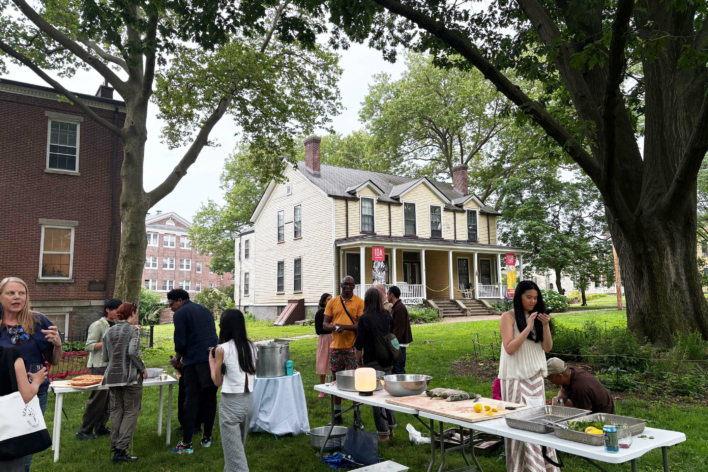
Prior to this summer, I had been to Governors Island a handful of times. Brief afternoon visits to exhibitions. A stroll across The Hills. But it always seemed much farther away than it was. Paradoxically, it seemed very separate from the city of New York, yet it is one of those rare places where you feel both like you’re in the city and completely removed from it.
With its connection to the city, it offers a peaceful separation and independence within its tranquil surroundings. As someone who practices communication design and landscape design, I experience Governors Island as a living laboratory — a place where spatial storytelling, public messaging, ecology, and human behavior meet.
My understanding of how design can operate as a living system was completely transformed during my 2025 summer residency as the IPAxSVA Ecology Fellow at the Institute for Public Architecture (IPA). I discovered that communication design is not only a tool for visual storytelling but also a way to foster ecological awareness and community discourse.
By default, as a designer, I think about the function. I consider the outcome of the design. I think about its purpose and users before ideation. For me, without a clear purpose, there isn’t a reason to design something. My mindset as a practitioner involves structured, user-centered, and iterative processes for generating design responses. But with this fellowship, IPA had a clear ask: What is a People’s Garden? The initiative was launched in 2009 with the goal of building local food systems and cultivating community-based gardens nationwide, for which the U.S. Department of Agriculture awarded a grant, but its implementation was heavily dependent on approval from the Trust of Governors Island. With the fellowship ending on August 17, the project was time-dependent.
The proposed People’s Garden would consist of a modular outdoor installation for public programming and engagement at the Block House. Installation will be managed by the IPA and joint team from the Urban Soils Institute and Swale NYC. When not activated for a workshop or live event, the modular system would be stored inside the Block House.
During the third week of the fellowship, I designed an initial concept with the driving questions:
- How can we support the IPA mission to create a collaborative space with ecology-focused engagement?
- How can the People’s Garden inform communal food experiences?
In response, my strategy centered around the concept of coastal foraging. The design seeks to capture an aesthetic that complements the surroundings and features a variety of plants native to the shoreline. The garden would bring together some of the mini native and naturalized edible plants from the coastline, in a low-maintenance, perennial planting scheme. They were focused on resilience through our diversity and local ecology.
The design featured salt and wind-tolerant, edible native plants such as Yucca, Sumac, Echinacea, Prickly Pear, Goldenrod, raspberries, blueberries, Nasturtium, Wild Ginger, Leeks, Fennel, Honeysuckle, Mountain Mint, and Figs.
Raised modular metal garden beds will make gardening more comfortable, accessible, and customizable. Natural materials like wood borders and pea gravel would integrate with the environment and reduce disruption.
The garden would encourage interaction, education, and stewardship, promoting a regenerative bond between people and through a sustainable, low-maintenance design that aligns with the rhythms of Governors Island ecosystems.
Still, I had more questions:
- What is the purpose of it?
- What kind of material will grow there?
- Who has access to the space?
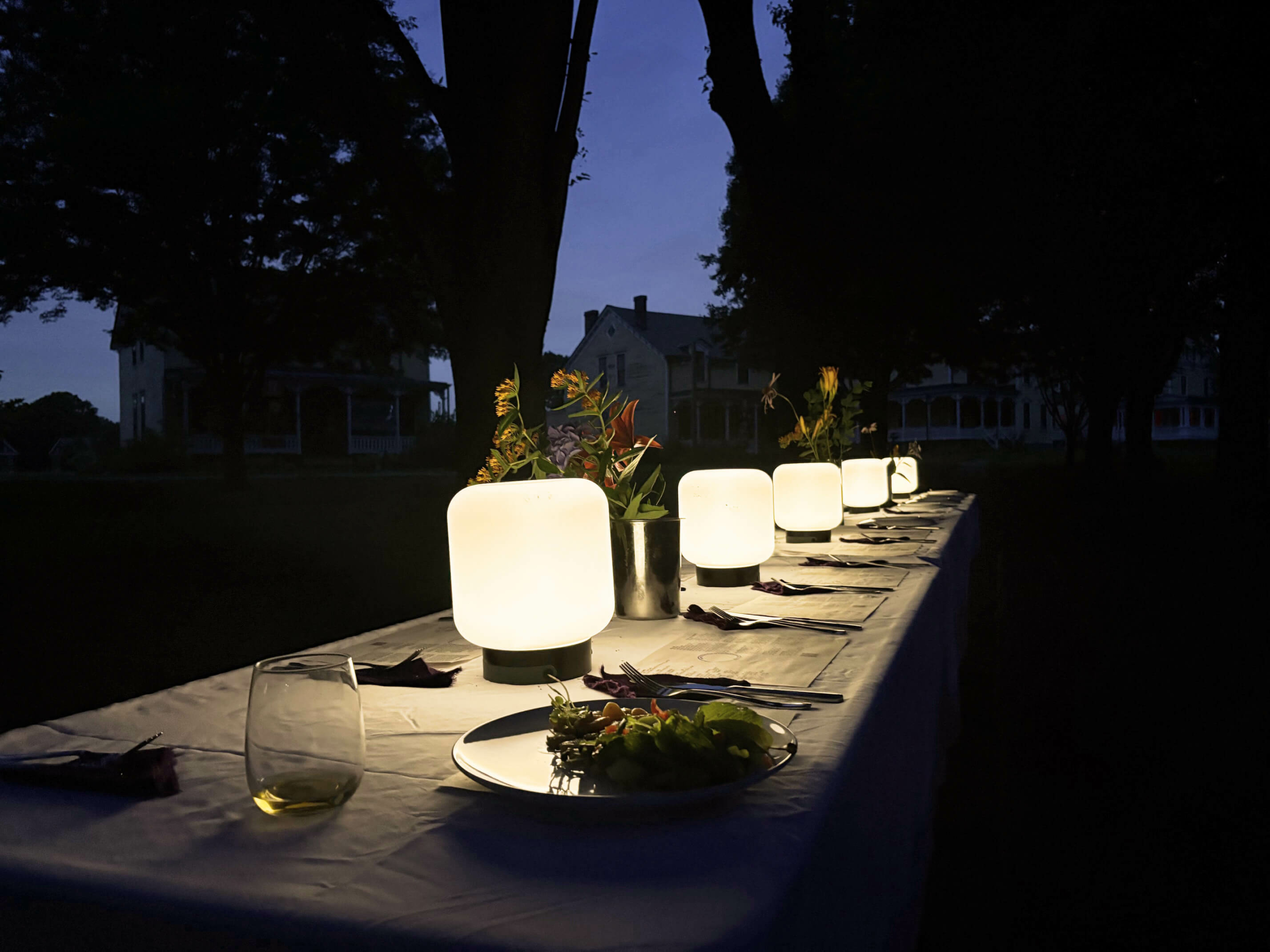
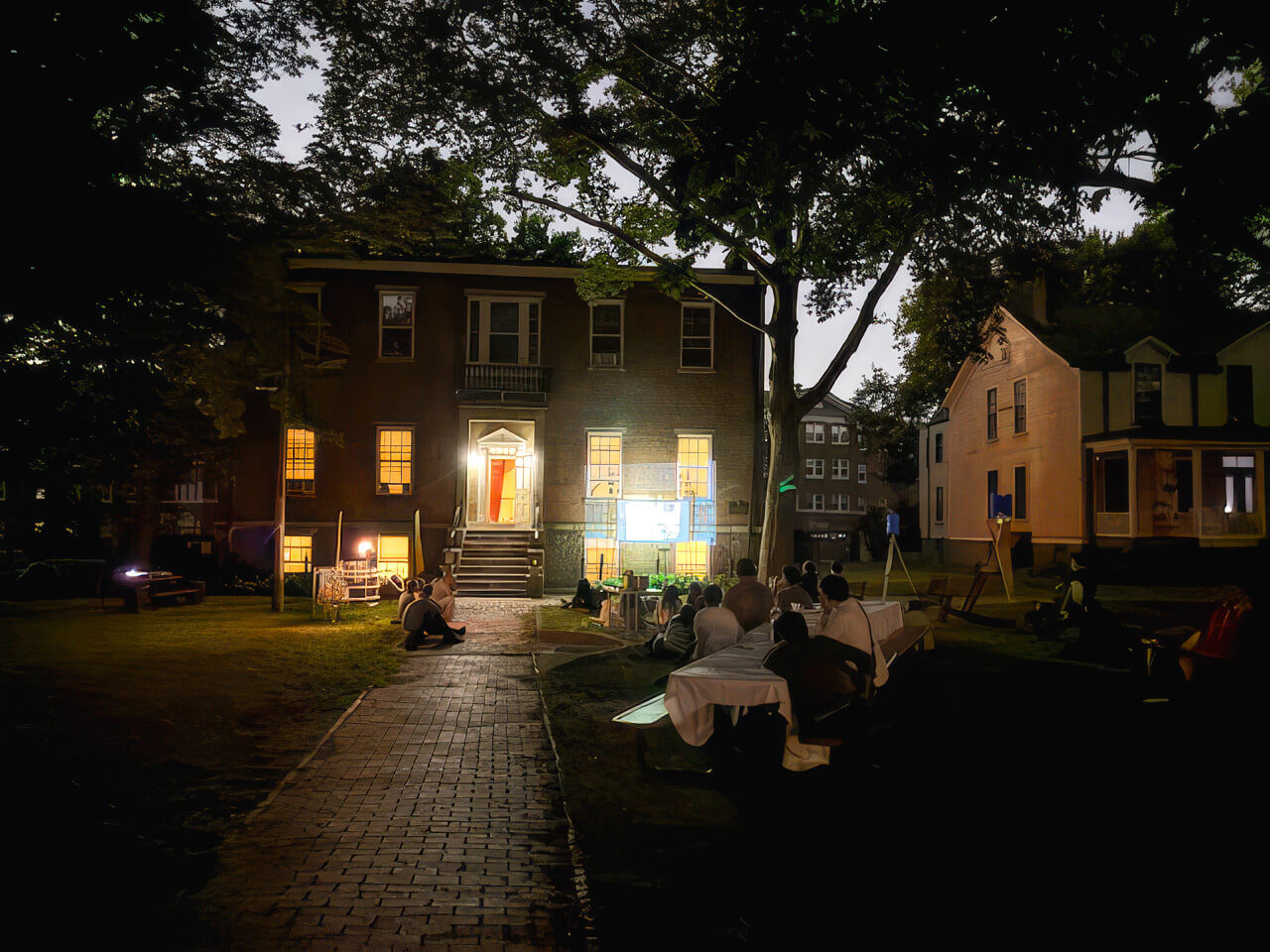
As the fellowship concluded, the People’s Garden project moved forward in a more streamlined and lightweight manner. The project was dispersed across three sites, one of which was a series of modular and mobile outdoor components at the IPA used for workshops and activations (a portion of these components will also be indoors to create storage for the winter/off-season months).
My understanding of what a garden is was broadened by the fellowship. It forced me to consider fine art practices and precedents as well as how art and architecture influence gardening.
It was intriguing because it was abstract, which encouraged me to consider gardening from an ambiguous perspective. My partner, Damon Arrington, and I share a gardening practice, Verru Design, that is seasonal, meticulous, and precise. We approach gardening from the ground up and organically rather than thinking abstractly about architectural elements.
As such, I surmised that rather than using the Earth’s soil as a foundational element, we designed around built structures, which, in many ways, is more in keeping with architecture than landscape design. This involved rapid prototyping, which is different from my way of working. Suffice to say, I was out of my comfort zone.
I learned a great deal about being patient and letting go of control as a result of this experience. And I have greater empathy for students who get mired in their processes.
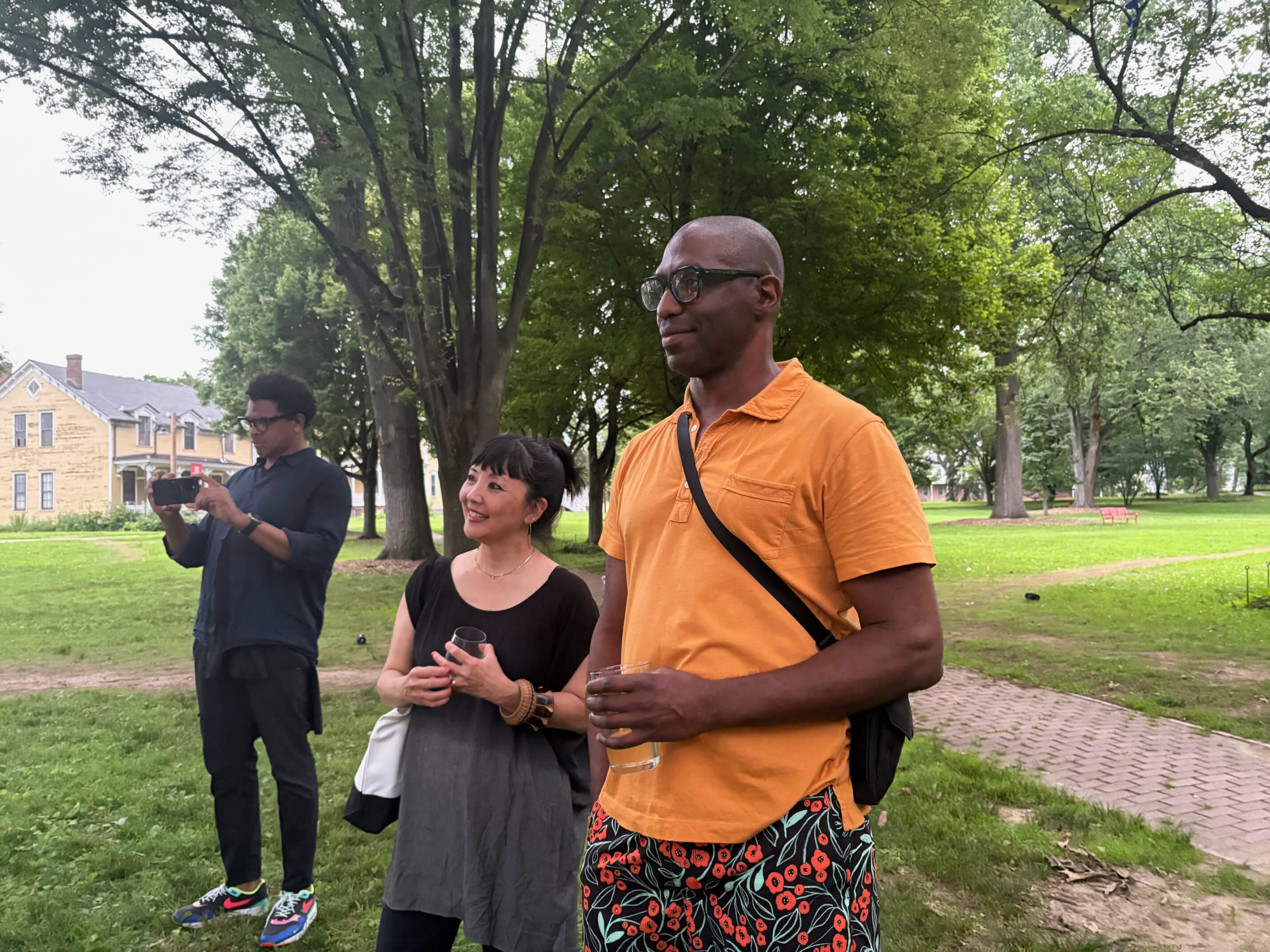
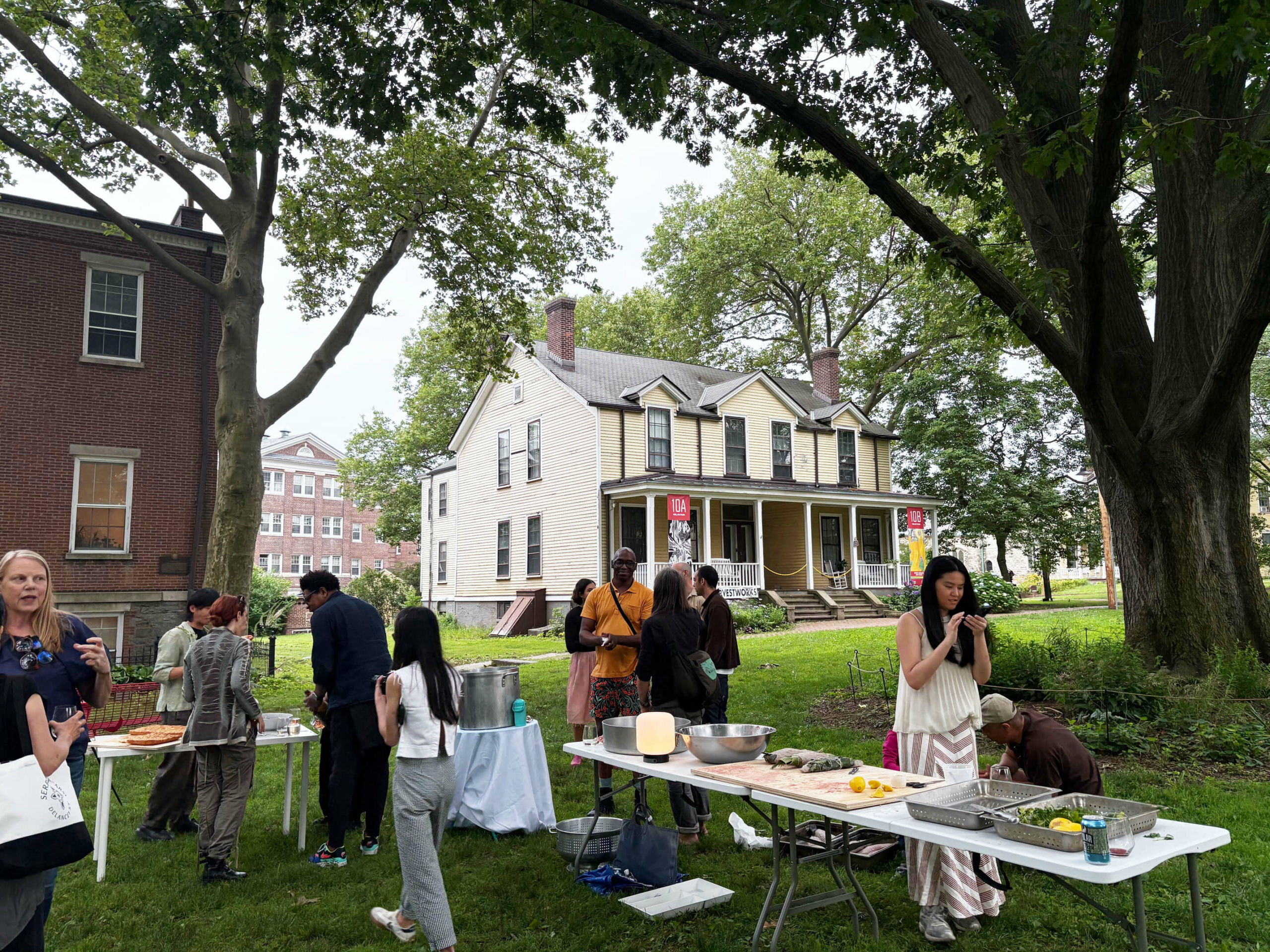
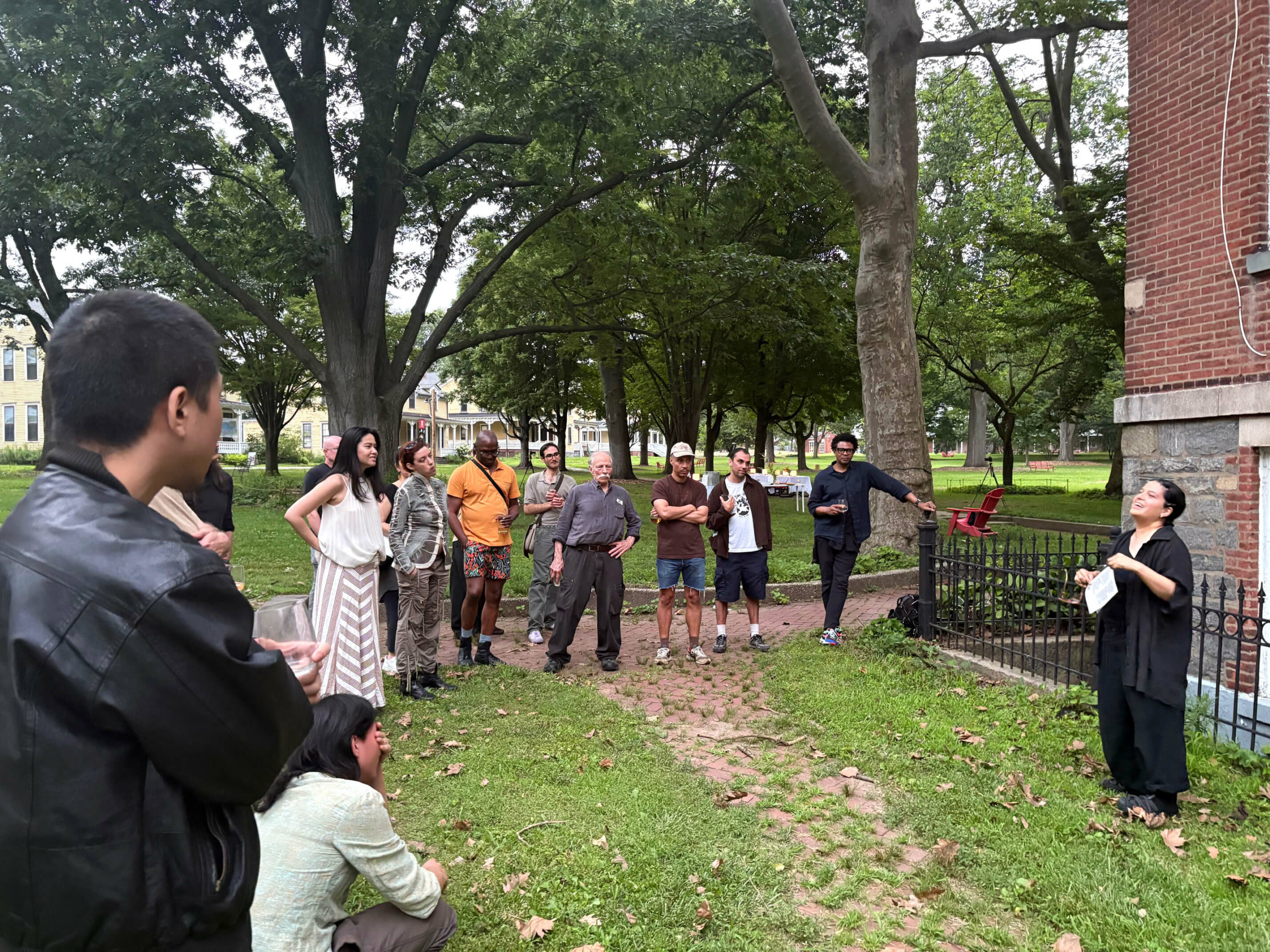
Thanks to Deborah Garcia, Zacarias Gonzalez, and the five fellows for a warm collaboration and expansive artistic vision. Through my conversations with the array of artists and practitioners working on the island, be it anything from initiatives to cultural programs, I realized how unique and special and deserving of preservation it is.
WRITTEN BY CORWIN GREEN. PHOTOS COURTESY OF CORWIN GREEN.

More related links
- Finding the Nexus Between Accountable Tech and Housing Development Blog
- Aging in Play Reaches New Audiences | Games for Change Festival + The School of Radical Attention Blog
- And the winner is... | SVA Alumni Scholarship 2026 Awards: The impact of PLAY Blog
- Illustrating Cultural Preservation | Traveling God: A New Book by DSI Alumni Blog